
TransHelp Specialized Transit Master Plan feedback
From May to August 2026, we heard from customers, families, care partners, community organizations, service providers and other community members about their experiences with TransHelp and their priorities for the future. More than 400 residents and community partners participated through surveys, meetings, a virtual public session and community pop-ups.
Purpose and objectives
- Inform and educate stakeholders about the Specialized Transit Master Plan (STMP).
- Build relationships with interested members of the public and encourage participation.
- Identify issues, opportunities, needs, and priorities.
Timeline
- Discovery and service shadowing: Late May to early June 2026.
- Focused conversations: June to July 2026.
- Virtual public meeting, pop-up events, and online survey: July to August 2026.
Audiences
- TransHelp staff and Steering Committee.
- Transit agencies and community/service partners.
- TransHelp Advisory Committee (TAC) and interest holder groups
- Riders, including existing and potential riders, family members, caregivers, support persons, and companions.
Information shared
- Project purpose and the STMP process.
- Current state and findings.
- Opportunities to participate and provide feedback.
Questions asked
- What is working well?
- What challenges or barriers exist?
- What priorities should shape the updated plan?
- What does success look like?
Who responded to the survey
The survey received 377 responses. These responses reflect a mix of direct customer experience and perspectives from people who support TransHelp passengers.
The largest group is TransHelp riders, representing 67% of respondents. Other respondent groups include:
- Family member of a rider: 25%
- Support person or care partner of a rider: 18%
- Person with a disability who does not use specialized transit: 5%
- Caledon Community Services (CCS) Transportation customer: 2%
- Community organization or service provider representative: 2%
- Other: 3%
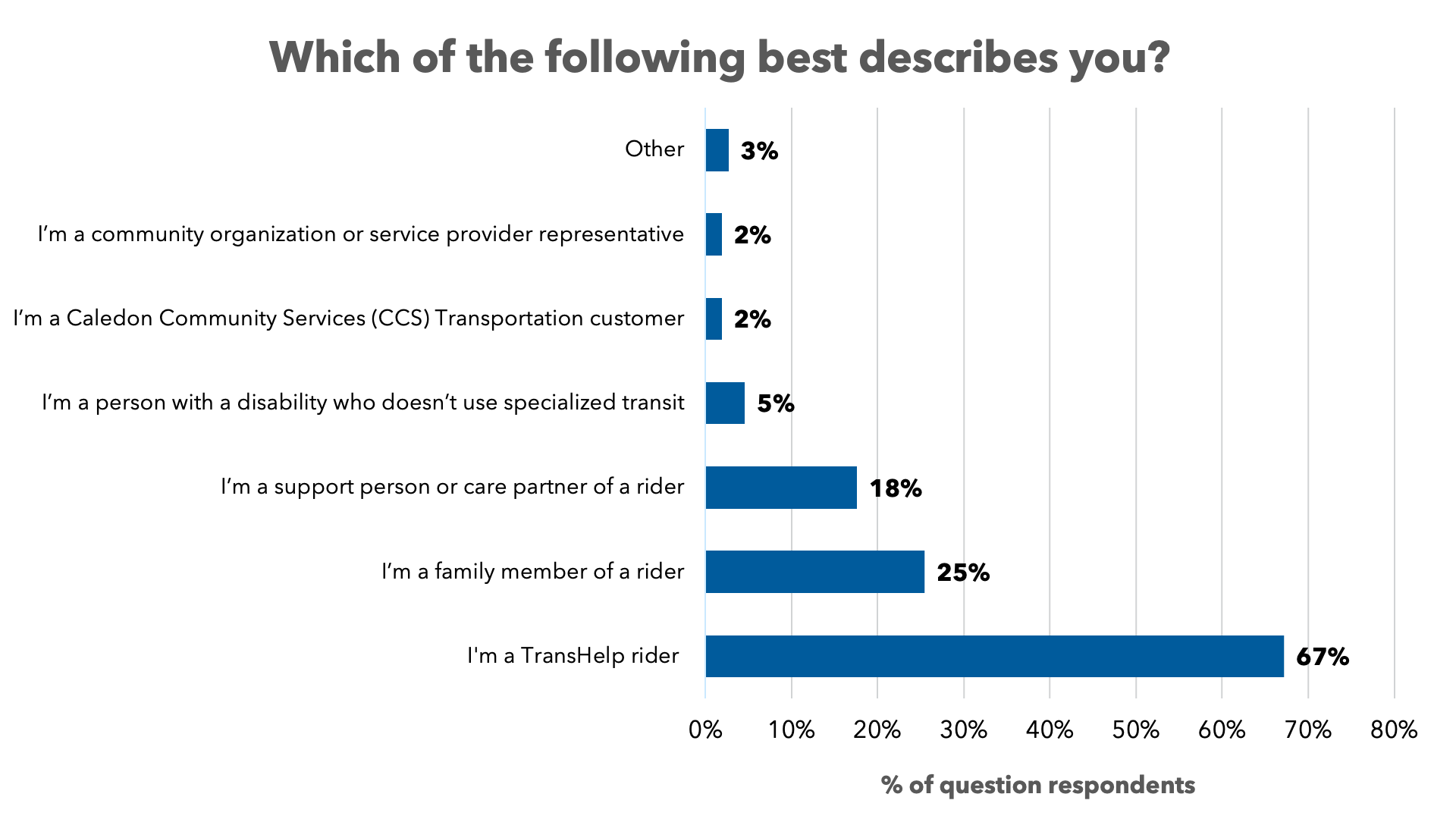
Figure 1. Who is filling out the survey.
TransHelp enables independence and is highly valued
Participants described TransHelp as an important service that supports access to appointments, employment, community activities, social participation, and day-to-day life. Riders view TransHelp drivers positively and appreciate the quality of customer service provided in person, by phone, and over email.
Participants highlighted several strengths of the current service, noting that drivers are professional and accommodating, while customer service staff are helpful and responsive. The service supports independence and community participation, offering affordable transportation options that help meet a variety of travel needs. Participants also recognized improvements in some customer-facing processes and reported that the service has become more reliable compared with previous years.
Respondents identified the following strengths:
- Booking trips and tools: 54%
- Safety and security: 38%
- Communication and customer service: 32%
- Eligibility process: 24%
- Vehicle accessibility: 20%
- Driver interactions: 17%
- Trip information: 16%
- Service hours and availability: 14%
- Flexibility: 6%
- Transfers and coordination with other transportation services: 2%
- Other: 2%
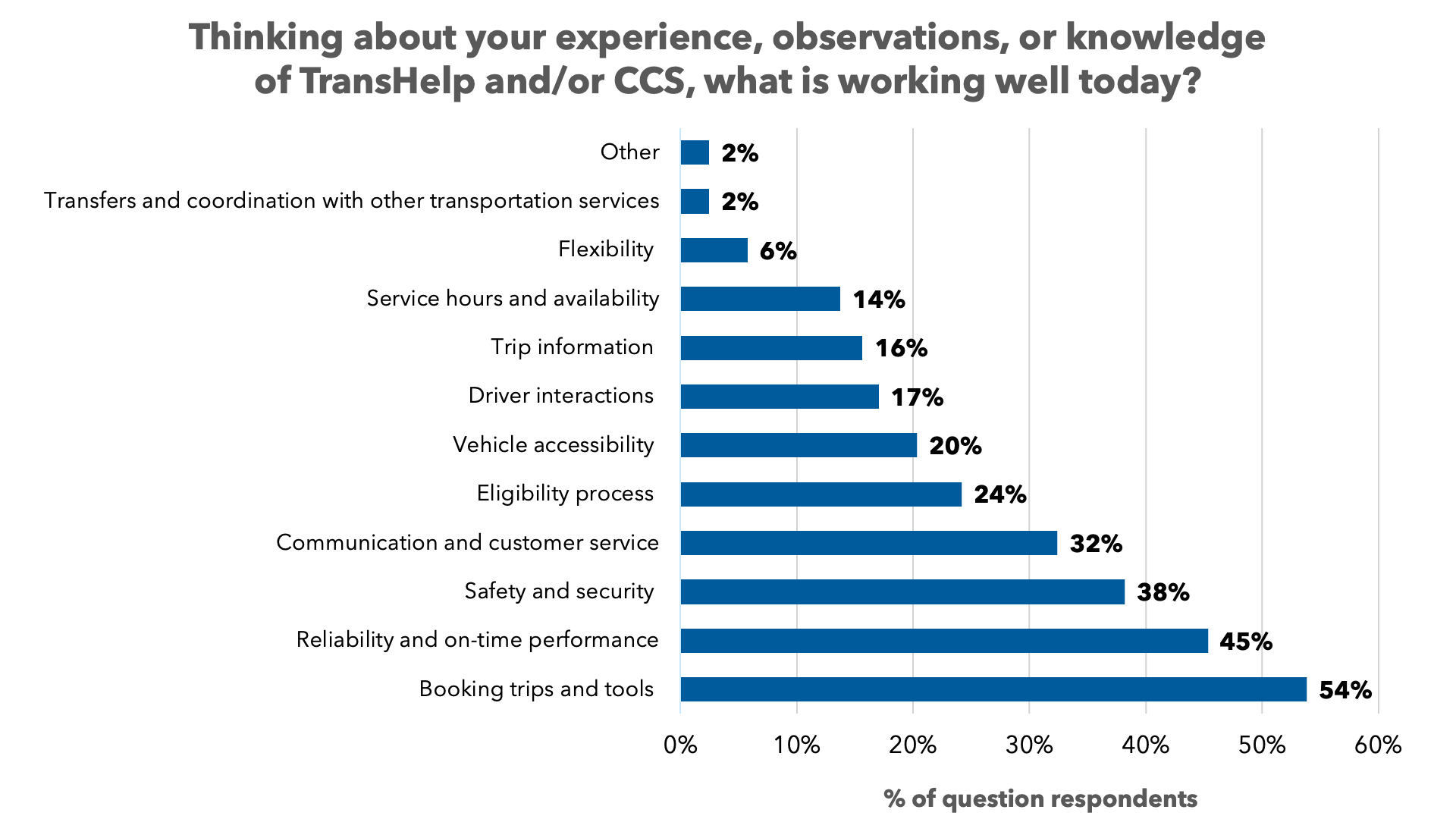
Figure 2. What is working well today.
Building confidence through reliable, safe and consistent service
Reliability, safety, and service consistency were recurring themes throughout the engagement activities. Participants emphasized the importance of dependable, on-time service, consistent customer experiences, effective coordination for appointments and programs, and clear communication about delays and trip status. They also highlighted the need for accessibility supports that are delivered consistently throughout the customer journey.
Respondents identified the following priorities:
- Reliability and on-time performance: 65.4% (238 responses)
- Booking trips and tools: 46.7% (170 responses)
- Safety and security: 45.1% (164 responses)
- Communication and customer service: 29.7% (108 responses)
- Vehicle accessibility: 23.1% (84 responses)
- Trip information: 13.7% (50 responses)
- Driver interactions: 13.5% (49 responses)
- Eligibility process: 13.2% (48 responses)
- Service hours and availability: 12.9% (47 responses)
- Flexibility: 9.6% (35 responses)
- Transfers and coordination with other transportation services: 8.5% (31 responses)
- Other: 1.9% (7 responses)
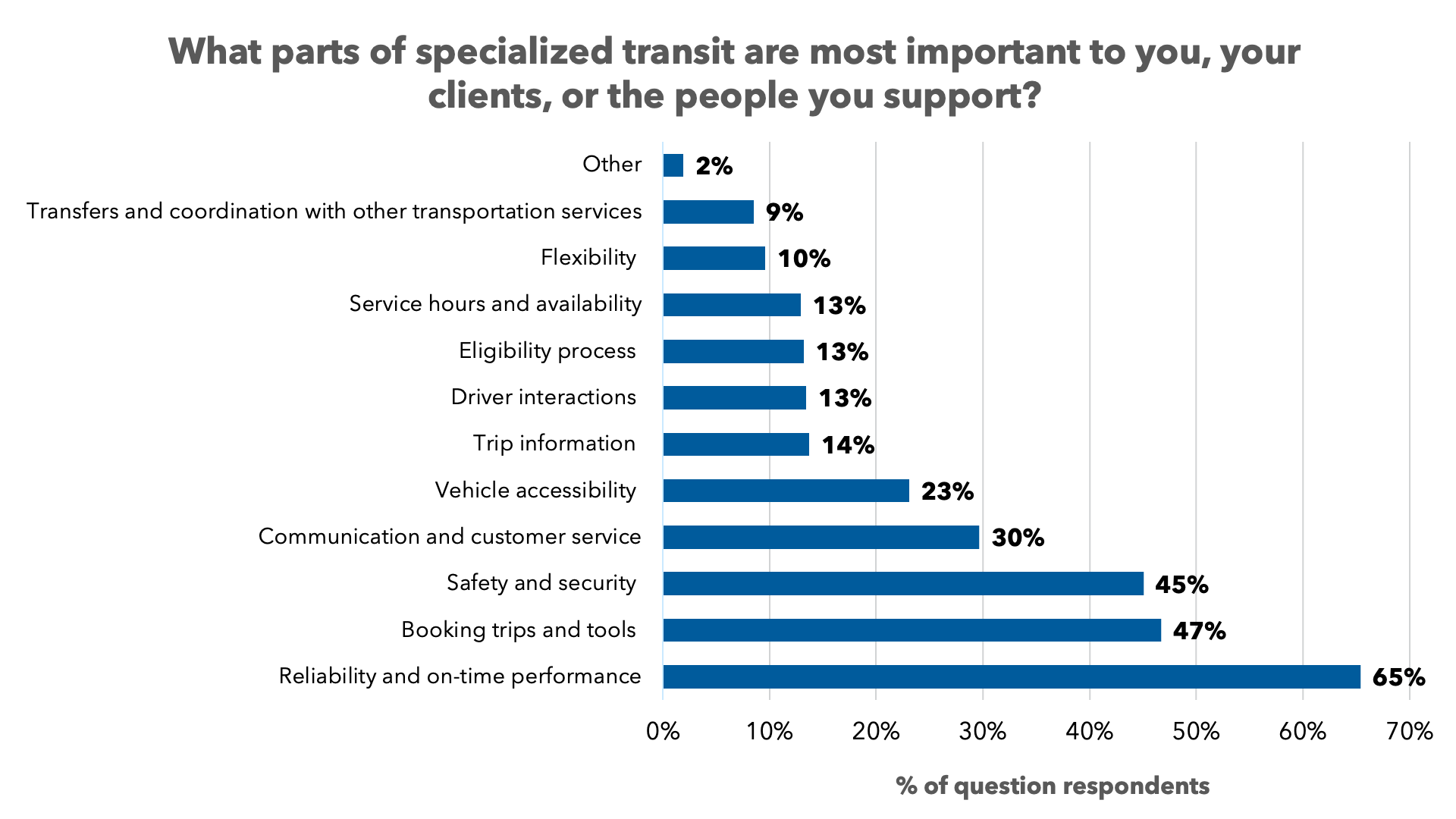
Figure 3. What is important in the service.
Respondents identified the following priorities for improvement:
- Reliability and on-time performance: 24.8% (88 responses)
- Booking trips and tools: 18.0% (64 responses)
- Service hours and availability: 9.0% (32 responses)
- Communication and customer service: 8.2% (29 responses)
- Other: 7.0% (25 responses)
- Safety and security: 6.5% (23 responses)
- Flexibility: 6.2% (22 responses)
- Transfers and coordination with other transportation services: 5.1% (18 responses)
- Driver interactions: 4.5% (16 responses)
- Vehicle accessibility: 4.5% (16 responses)
- Eligibility process: 2.8% (10 responses)
- Trip information: 2.5% (9 responses)
- None: 0.8% (3 responses)
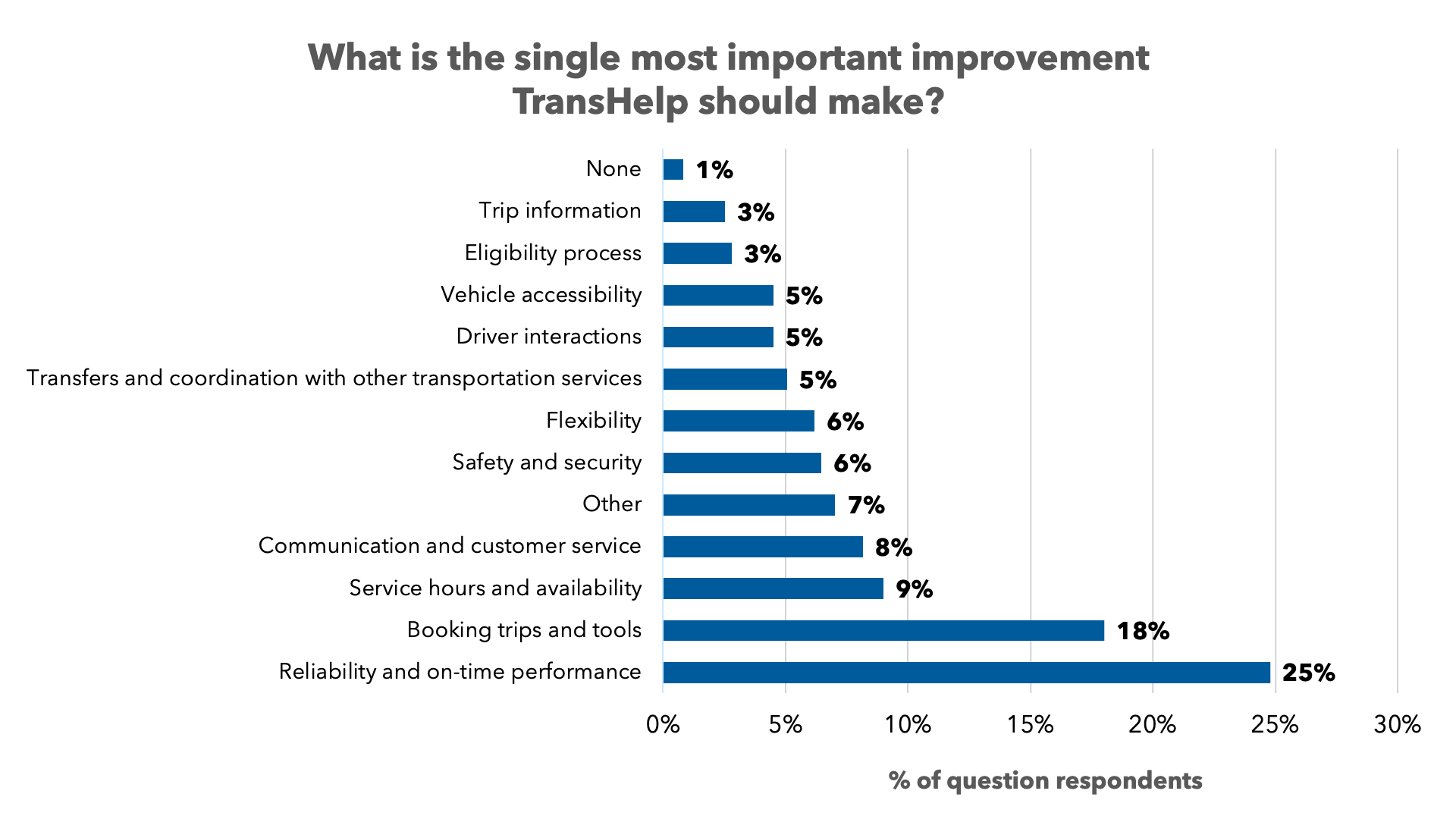
Figure 4. Top improvements identified by respondents.
Accessibility throughout the customer journey
Accessibility concerns were raised at every stage of the customer experience, including booking, communication, trip planning, pickup, travel, and drop-off.
Survey responses included comments related to:
- Driver assistance and customer support during trips
- Vehicle accessibility, vehicle fit, or barriers in using assigned vehicles
- Safety and security as an important service attribute
Comments also highlighted the need for better disability awareness, communication support, rider assistance, accommodations, and services that can respond to individual needs.
Survey responses included comments related to:
- More awareness of cognitive disabilities and dementia
- Better support for diverse communication needs
- Consistent door-to-door assistance support
- Improved support for riders with vision disabilities
- Better matching of customer needs with vehicles and service arrangements
- Safe and reliable handoff processes
- Recognition that a customer’s support needs may change over time
Regional travel and transfer points
Some respondents reported challenges with cross-boundary travel, including difficult transfers, separate booking systems, and limited flexibility for delays. Concerns were also raised about waiting outdoors, particularly in winter, and transfer locations not always being open when needed.
Communication, transparency, and technology
Participants emphasized the importance of equitable access to services, information, and customer support, while identifying barriers related to booking, eligibility, information access, and online tools.
Common concerns included:
- Accessibility and usability of booking tools
- Long waits for telephone customer support
- Equitable access regardless of where they live or how they book trips
- Clearer information about eligibility, renewals, and service policies
Communication and technology were closely linked in the feedback, with participants reporting challenges getting timely, clear information and identifying technology as a tool to make the service easier to use.
Priorities included:
- Plain-language communication
- Clear explanations of policies and procedures including demerit points
- Better access to eligibility and renewal information
- Timely information about delays and service disruptions
- Greater visibility into trip status
- Improved notifications
- Easier-to-use booking and trip-management tools
- More self-service and mobile options
The collective feedback gave the project team a clearer picture of what TransHelp passengers value today and where they want to see improvements. The information gathered will be used to:
- Identify service improvement priorities
- Explore opportunities to improve accessibility and the customer experience
- Develop and refine draft recommendations
- Continue engagement with customers and community partners