
Peel and Moyo Health release community-led strategy to reduce harms from substances
BRAMPTON, Ont. - March 30, 2026. Peel Region and Moyo Health & Community Services, in partnership with community organizations, released the Peel Substance Strategy to reduce harms from all legal and illegal substances and enhance community well-being. The renewed strategy will be a community-driven response to ongoing health and social impacts of substance use, with equity, inclusion, and lived experience at its centre.
More than 250 contributors participated in the strategy’s co‑design process, including over 200 people with lived experience, more than 75 youth, and over 70 partners across 40 organizations. Partners also heard from the Peel Drug Users Advisory Panel, a group of residents with lived and living experience of substance use. The panel will provide ongoing insight to ensure the strategy meaningfully includes people most impacted in system planning and decision‑making.
With our community at the centre of this strategy, we are working to reduce substance‑related harms and build a more compassionate environment for those seeking support. Together, we’re shaping a healthier, safer, and more connected Peel.
Through months of collective listening, learning, and reflection, we’ve developed a strategy grounded in partnership and shaped by the voices of those most affected. The Peel Substance Strategy reflects our commitment to advancing health, dignity, equity, and evidence‑informed action to reduce harms from substance. I’m grateful to everyone who shared their experiences and insight — they are at the heart of this work
Paul Sharma, Senior Director of Chronic Disease and Injury Prevention, Peel Public Health
Our 4 areas of action to reduce substance‑related harms
The Peel Substance Strategy is organized around 4 interconnected areas of action that work together to reduce harms and strengthen community well‑being:
- Prevention — strengthening protective factors such as social connection, advancing equity‑focused approaches, and reducing stigma within communities and systems.
- Harm reduction — expanding outreach and overdose‑prevention support, increasing naloxone access, and recognizing housing as essential to positive health outcomes.
- Treatment, wellness, and recovery — enhancing coordination across mental health and substance use services, improving continuity of care, and expanding integrated models like the Brampton HART HUB.
- Substance use policies and regulations — addressing stigma, criminalization, and systemic inequities by strengthening workforce capacity and advancing advocacy and regulatory improvements.
These areas form a comprehensive, integrated approach that supports people at every stage of their substance use health journey.
At Moyo, we see every day how the intersections of stigma, drug policy, and barriers to programs and services impacts the health and well-being of individuals, families, and entire communities. This strategy reflects what can happen when we come together with compassion and a shared commitment to change. By working in true partnership, we’re creating the conditions for people to be supported with dignity and care. We’re hopeful about what this means for our clients and for the future of health and well‑being in Peel.
Adam Chalcraft, Harm Reduction Program Director, Moyo Health & Community Service
Building forward from a strong foundation
The renewed strategy builds on the foundation of the 2019 Peel Opioid Strategy, expanding its scope to respond to a broader and more complex landscape of substance use. It also supports shared goals in Peel’s Community Safety and Well‑Being Plan and aligns with Peel Region initiatives such as homelessness and housing, anti‑human trafficking, and poverty reduction.
This alignment ensures that substance use health is integrated into the systems and services that influence residents’ daily lives, and that partners across sectors are working toward common goals.
Quick facts
- Peel's drug-toxicity crisis continues with 863 deaths between 2019-2025.
- Youth vaping in Peel remains stable at 8%, lower than Ontario’s 13%. However, intensity of use is increasing, with 37% of youth who vape reporting daily use.
- Alcohol use in Peel is linked to about 295 deaths, 1,730 hospitalizations, and 14,208 emergency department visits each year. This represents 4.7% of all deaths, 2.1% of hospitalizations, and 3.7% of ED visits among residents aged 15 and older.
- In 2023, 23% of Peel students reported non-medical opioid use — nearly double the rate of cannabis use (12%) and second only to alcohol.
- The Brampton HART Hub opened in January 2026. It offers integrated mental health, addictions, and housing-related support.
Resources
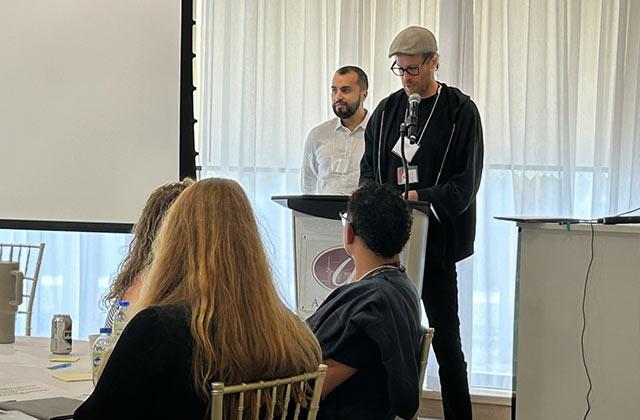
and Adam Chalcraft, Harm Reduction Program Director at Moyo Health & Community Services.
About Peel Region
Peel Region works with residents and partners to create a healthy, safe, and connected Community for Life for approximately 1.6 million people and over 200,000 businesses in Brampton, Mississauga, and Caledon. Peel’s services touch the lives of residents every day. For more information explore peelregion.ca and follow us on X @regionofpeel and Instagram @peelregion.ca.
Media contact
Akilah Downey
Communications specialist
Peel Region